Pilates for Lower Back Pain: A Bury St Edmunds Guide
How Pilates actually helps non‑specific lower back pain, what to expect from your first sessions, and when to see a physio first — written by teachers in Bury St Edmunds.
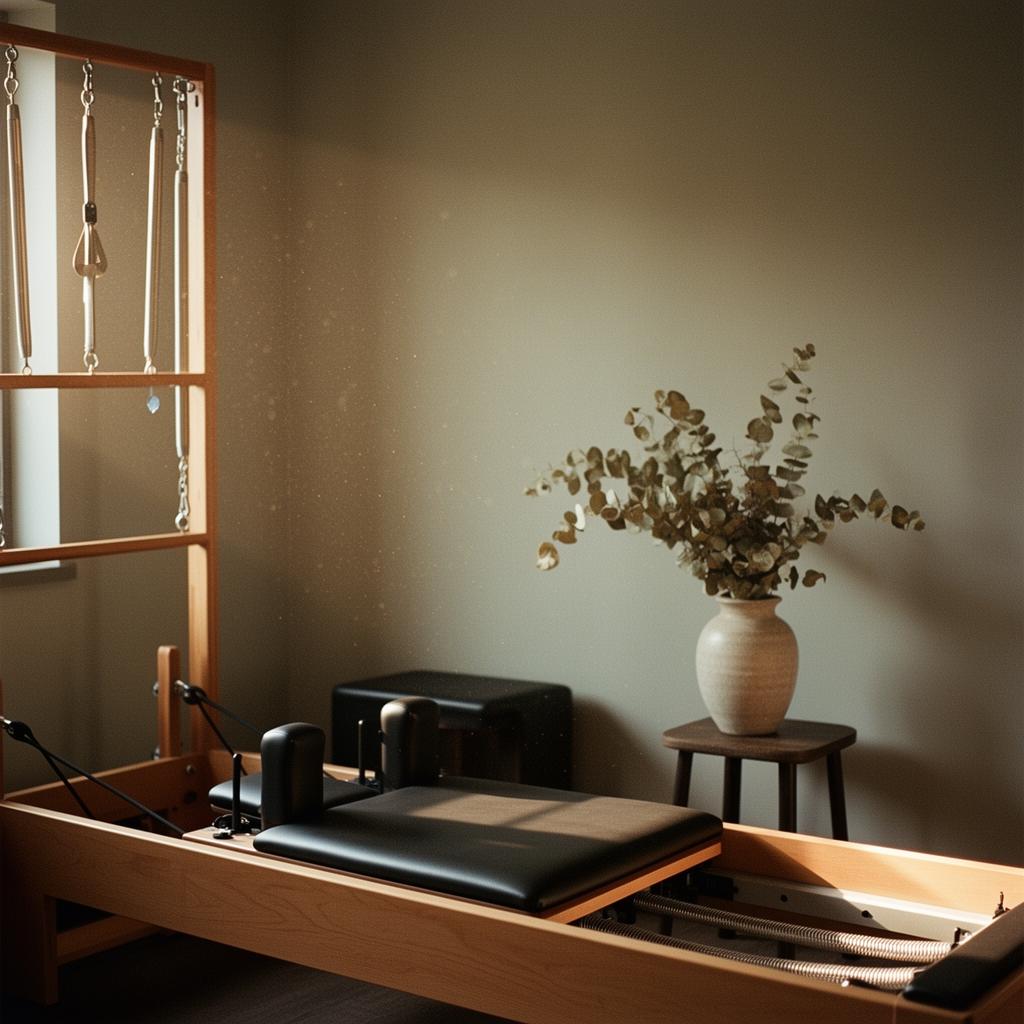
Lower back pain is one of the most common reasons people first walk into our Bury St Edmunds Pilates studio. The research on Pilates for non‑specific lower back pain is genuinely encouraging — and so is what we see week after week — but it's worth understanding why it works, and what a sensible first few sessions look like.
Why Pilates helps
Most non‑specific back pain isn't about one broken thing — it's about a body that has, for years, moved in slightly the same way every day. Pilates gently teaches the spine to move in all of its available directions again, while building the deep abdominal and back musculature that supports it. Done well, the work is more about restoring choice than building muscle.
See a physio first if…
- · You have any pins‑and‑needles, numbness or loss of strength in your legs.
- · Your pain is sharp and traceable to a recent specific injury.
- · You've been told to avoid certain movements by a clinician.
We work alongside several brilliant physiotherapists in Bury St Edmunds and the wider Suffolk area. If you'd like a name, ask us.
What your first sessions will look like
We always recommend starting with a 1‑to‑1 if back pain is part of the picture. You'll spend the first ten minutes talking — when does it hurt, what makes it better, what's normal for you — before any movement. From there, your teacher will build a short, repeatable practice you can do between sessions, and you'll work up to small‑group classes as confidence grows.
"The goal isn't to avoid the movements that hurt. It's to expand the range of movements that don't."
Ready to try a class?
Send us a short note and we'll find the right starting point for you.
Get in touch