Mat vs Reformer Pilates: Which Should You Try First?
A clear, no‑nonsense comparison of mat and reformer Pilates from a Bury St Edmunds studio — what each does well, who they suit and how to choose.
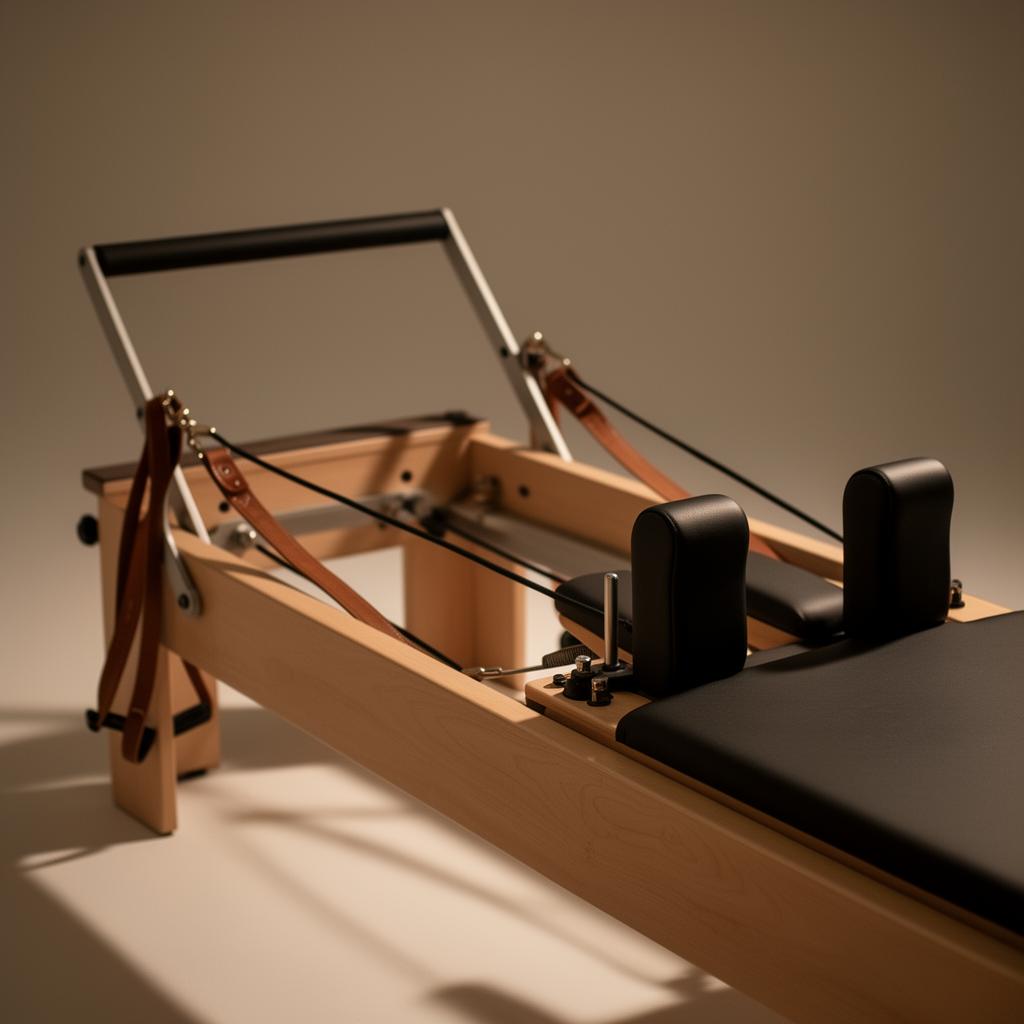
Joseph Pilates designed both the mat work and the reformer, and he intended them to be used together. In a small studio in Bury St Edmunds, you can — but if you're choosing where to begin, it helps to understand what each actually does.
What mat Pilates is great at
- · Teaching you to feel your own body — breath, ribs, pelvis, deep core.
- · Building portable strength you can take to a hotel floor or your living room.
- · Refining the precision that makes every other workout safer and more effective.
What reformer Pilates is great at
- · Adding spring resistance — so you can build strength faster, in a controlled way.
- · Offering support for tricky exercises (the springs can assist as well as resist).
- · Opening up a huge vocabulary of exercises that simply aren't possible on a mat.
Honest recommendation
If you're rehabbing an injury or you've never done Pilates before, start with a 1‑to‑1 reformer session — your teacher will set the springs to your body and the work will feel like an unfair advantage. If you're already strong and want to build precision, start with mat. Within a couple of months, almost everyone is doing both each week.
Ready to try a class?
Send us a short note and we'll find the right starting point for you.
Get in touch